
Molecular mimicry is a well-documented phenomenon in immunology based on structural similarities between certain proteins of infectious agents and proteins of the host organism. These similarities can trigger cross-reactive immune responses: antibodies produced to neutralize the pathogen may also mistakenly recognize self-proteins, potentially promoting inflammatory reactions and the development of autoimmune diseases.
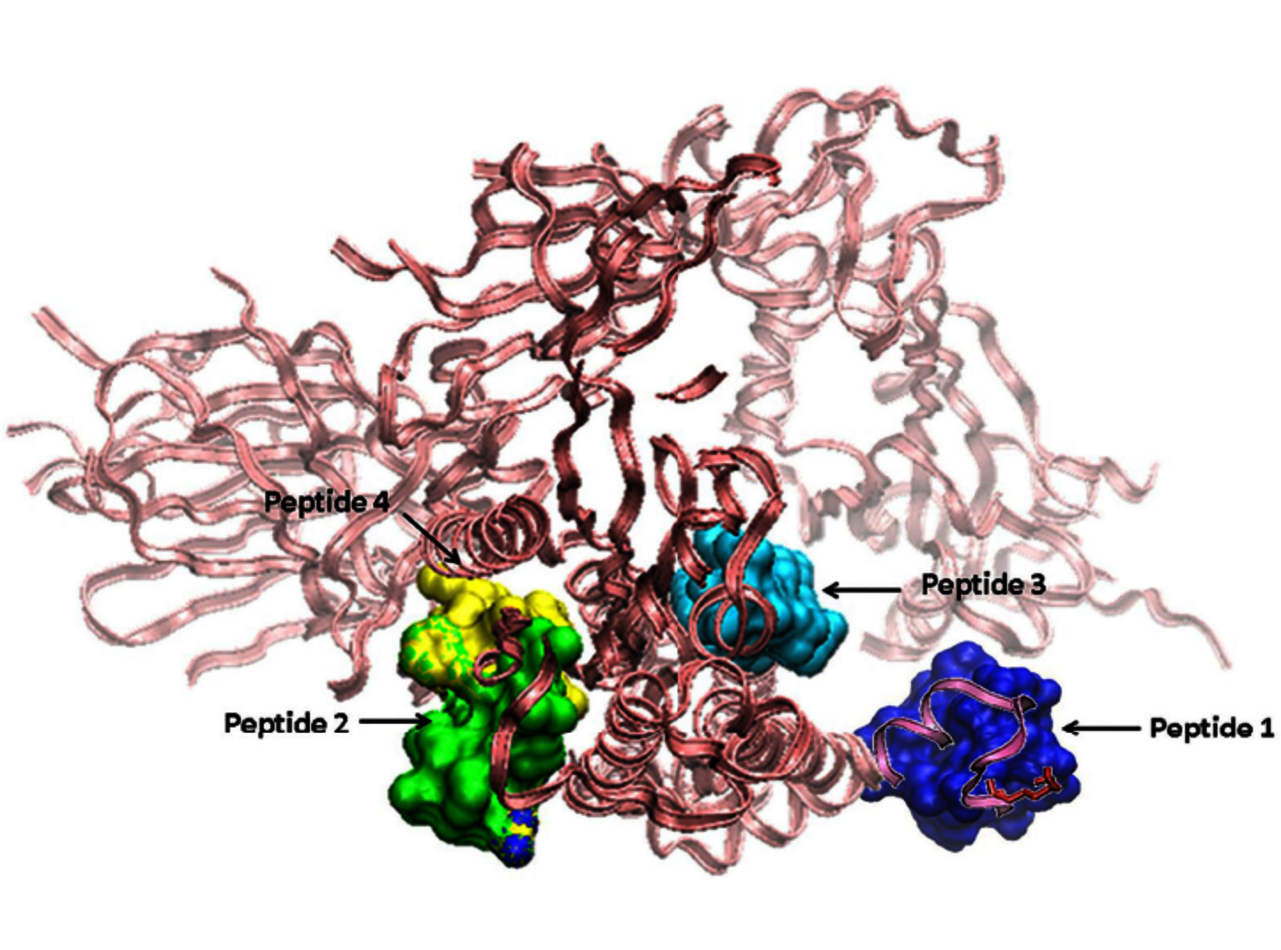
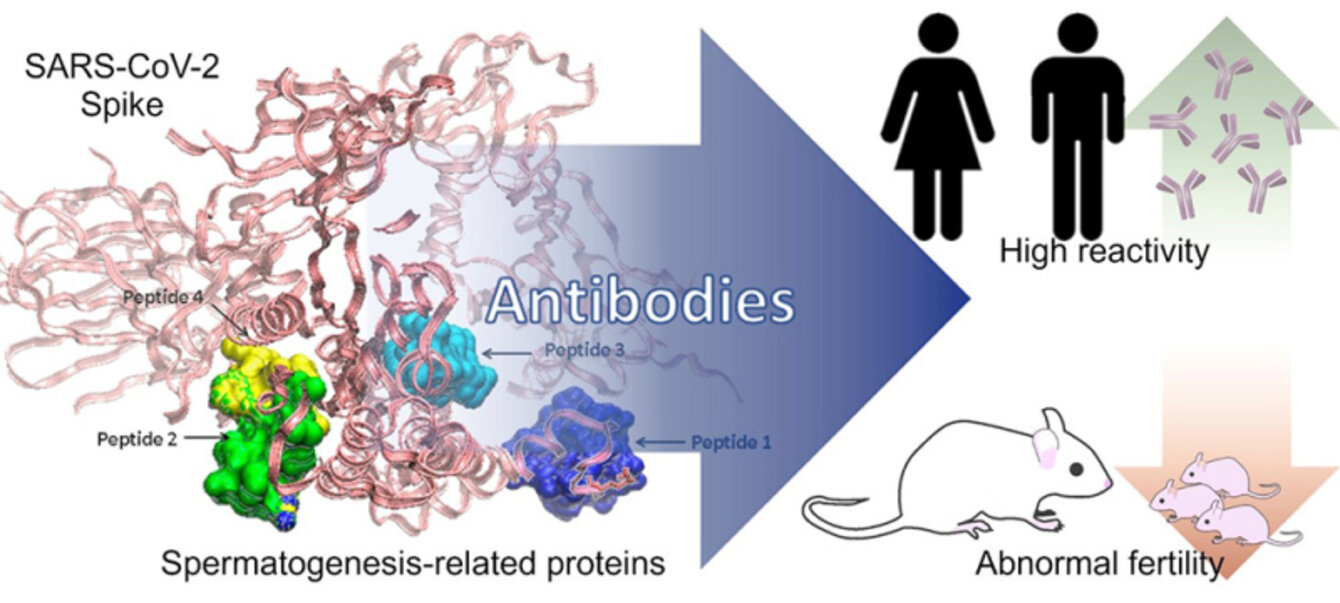
A study published in the journal Journal of Autoimmunity demonstrates a phenomenon of molecular mimicry between the Spike protein of SARS-CoV-2 and human proteins involved in spermatogenesis. By combining bioinformatic analyses, serological studies, and experiments in mice, the scientists show that antibodies mimicking those induced by infection can recognize an essential testicular protein and impair both male and female fertility in a murine model.
These findings provide original experimental evidence showing that antibodies induced through molecular mimicry can have deleterious effects on reproduction, at least in a mouse model. They suggest that, in humans, an immune response triggered by infection with SARS-CoV-2 could, in certain cases, interfere with essential reproductive functions. This study therefore opens new avenues of research into the long-term immunological consequences of COVID-19 and underscores the importance of assessing the delayed effects of viral infections on fertility.
For more information, read the news published by the CNRS Biology.
Article:
Pathophysiological effects of long COVID-19 (auto)antibodies on fertility. J Autoimmun 158:103518. doi: 10.1016/j.jaut.2025.103518.